

Malta · Traditions
Malta's Fireworks: When the Island Lights Up the Sky

On warm summer evenings in Malta, people instinctively look upwards. Church bells ring across villages, colourful lights appear in the streets, and before long the first burst of colour blooms above the rooftops. The celebration has begun.
In Malta, fireworks are far more than the grand finale of a festival. They are a language of joy, faith and tradition. Every explosion tells a story, every spark honours a patron saint, and every village competes to create a display more spectacular than the last. The island becomes an open-air theatre where the sky itself takes centre stage.
A perfect evening to discover why one of Europe's smallest countries has one of its biggest passions.
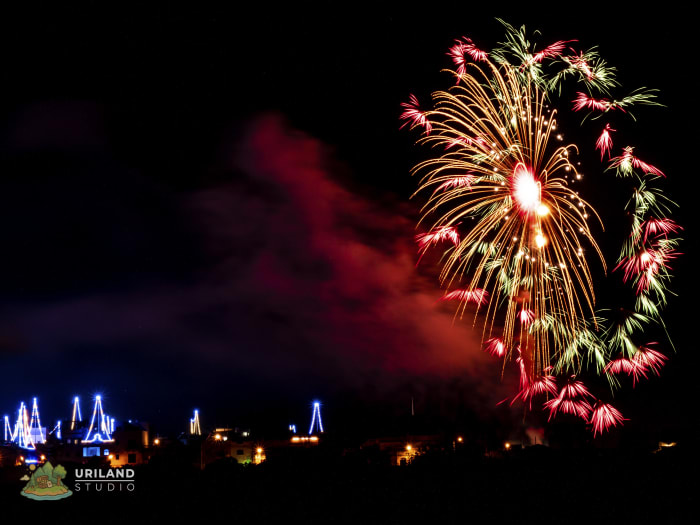
A tradition that reaches back centuries
Fireworks arrived in Malta during the time of the Knights of St John, who ruled the islands from 1530 to 1798. Public celebrations marked important victories, religious feasts and the election of Grand Masters, often accompanied by elaborate pyrotechnic displays. The Knights even established workshops dedicated to producing gunpowder, a craft that would eventually evolve into Malta's unique fireworks tradition.
As centuries passed, the displays became closely linked to the village festa — the annual celebration of each town's patron saint. What began as ceremonial explosions grew into an art form, carefully passed from one generation to the next.
Today, many of Malta's fireworks factories are still run by volunteers who dedicate countless hours throughout the year to designing and building the displays that will illuminate their village's biggest celebration.
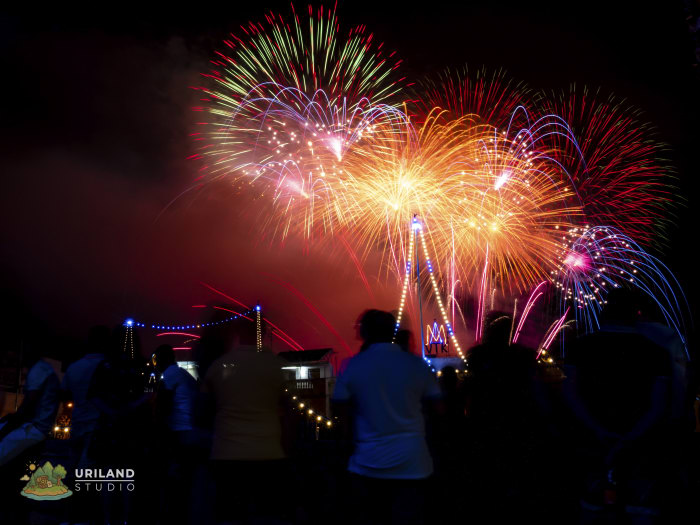
The heart of every village festa
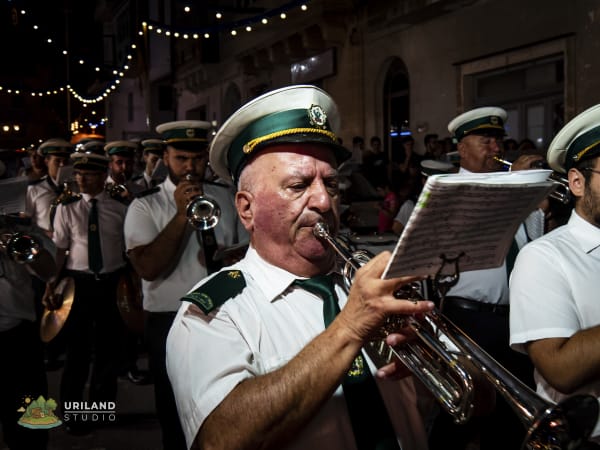
From May until September, almost every weekend brings a new festa somewhere on the islands. Streets are decorated with colourful banners, church façades glow with thousands of lights, brass bands march through the squares, and the unmistakable sound of fireworks echoes across the countryside.
Each village takes enormous pride in its display. Friendly rivalries have existed for decades, with local fireworks associations constantly searching for new effects, brighter colours and more intricate aerial choreography.
For many Maltese families, attending the fireworks is as important as the religious procession itself. Generations gather together in the village square, children wait excitedly for the first explosion, and visitors quickly realise that these celebrations are woven into everyday life.
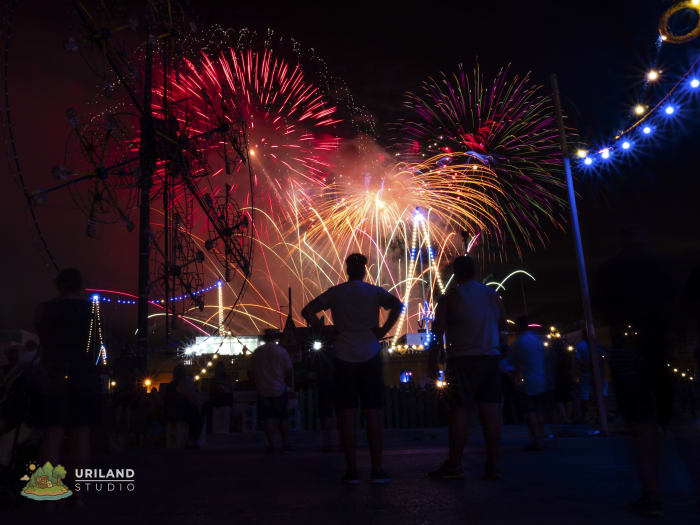
More than fireworks in the sky
One of Malta's most distinctive traditions is something many visitors have never seen before: daytime fireworks.
Long before darkness falls, powerful aerial shells are launched into bright blue skies, producing loud rhythmic explosions that announce the feast to neighbouring villages. Known locally as musketterija, these displays are less about colour and more about sound, creating a dramatic atmosphere that signals a day of celebration.
When night arrives, the focus shifts to breathtaking choreographed performances filled with colourful shells, intricate patterns and spectacular finales that can last for many minutes. Another uniquely Maltese tradition is the creation of elaborate ground fireworks — giant spinning wheels, illuminated symbols and moving pyrotechnic structures that transform village squares into glowing works of art before the aerial show even begins.
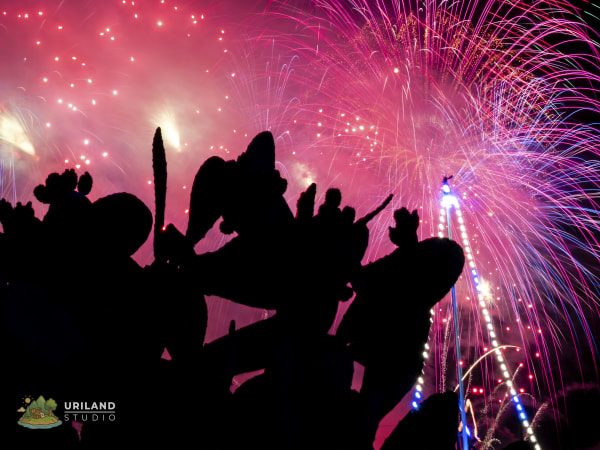
The Malta International Fireworks Festival
While village festas keep the tradition alive, the Malta International Fireworks Festival showcases it on an international stage. Held every spring, the festival brings together some of the world's finest pyrotechnic teams alongside Malta's own renowned fireworks factories. Displays take place in spectacular locations such as Valletta's Grand Harbour, where colourful reflections dance across the water beneath the historic bastions built by the Knights.
Thousands of spectators gather along the waterfront each evening as music, history and light combine to create one of the Mediterranean's most memorable spectacles. For photographers, it is one of the best opportunities of the year to capture Malta at its most dramatic.
Why it's worth experiencing
Even if you've seen impressive fireworks elsewhere, Malta feels different. The displays are not simply organised for tourists or national holidays — they are deeply rooted in local identity. Entire communities spend months preparing for a single evening, driven by pride, tradition and craftsmanship rather than commercial spectacle.
There is also something magical about the setting. Watching brilliant colours explode above limestone churches that have stood for centuries creates a striking contrast between ancient architecture and fleeting light. The echoes bounce through narrow streets, bells ring beneath the explosions, and the entire village shares the same moment together. It is less like attending a fireworks show and more like becoming part of a centuries-old celebration.
When to see Malta's fireworks
The best time to experience traditional village fireworks is between May and September, when most Maltese festas take place across Malta and Gozo. For those interested in world-class pyrotechnic competitions, the Malta International Fireworks Festival, usually held in April, offers several evenings of spectacular displays in some of the island's most iconic locations.
Wherever you happen to be during these celebrations, chances are you'll only need to step outside to witness the sky coming alive.
Malta has a remarkable way of turning ordinary evenings into unforgettable memories — a quiet square becomes a stage, an old church becomes a backdrop. It's the same spirit of wonder we try to capture in every story we publish.